Science Update: March 2026
Grade 7 (Virgil)
The 7th graders are just finishing a unit on the cycling of matter and photosynthesis. They used their prior knowledge of what happens to food when it enters the body to more deeply examine how that matter is transformed within cells.
Students figured out that they can trace all food back to plants, including processed and synthetic food. They obtained and communicated information explaining how matter from living things that have died is returned to the system through processes carried out by decomposers.
Students finally explained that the components of their food are constantly recycled between the living and nonliving parts of the carbon cycle.
Grade 8 (Kristin)
Addressing real-world problems helps our students stay engaged and motivated to find out more.
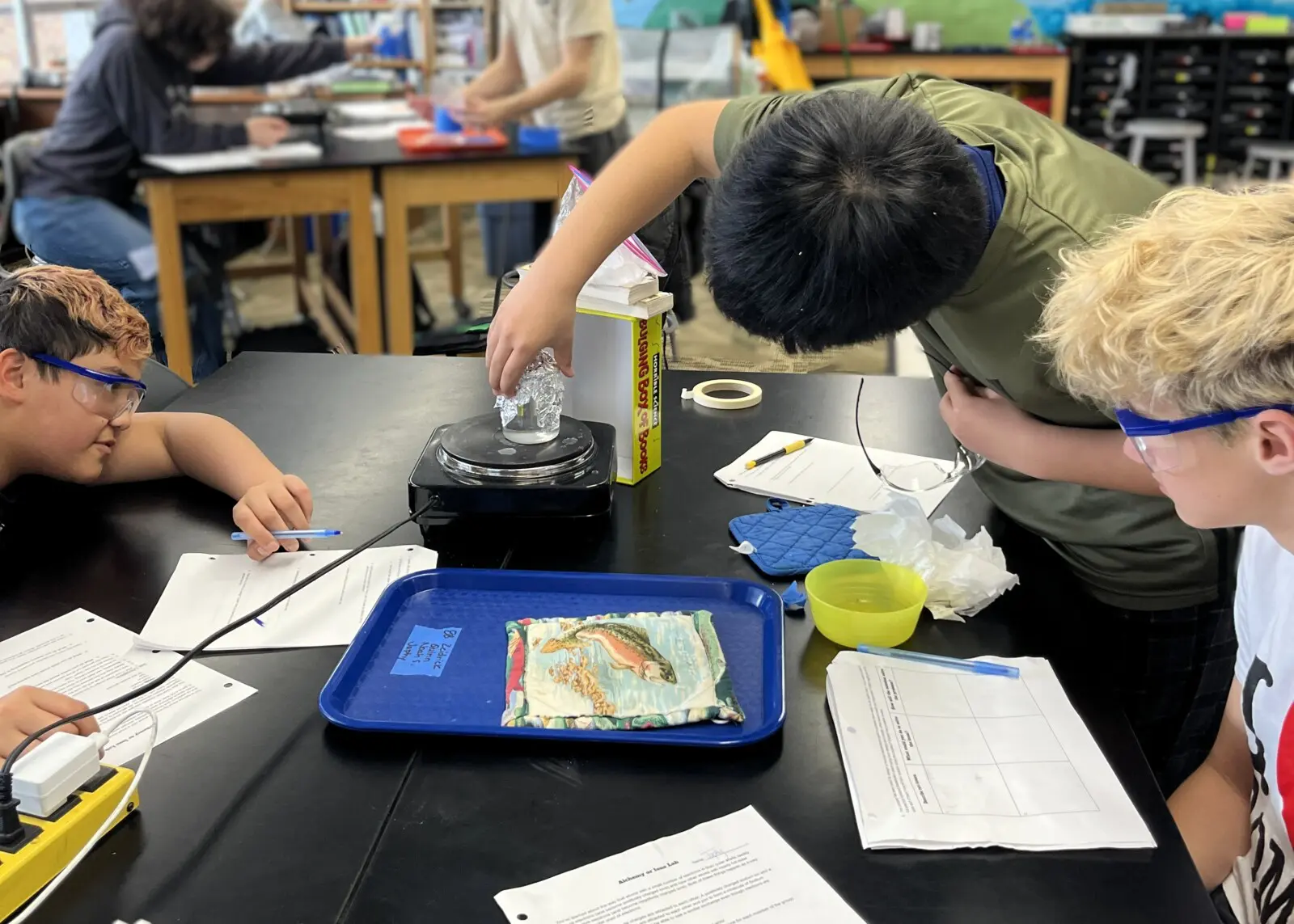
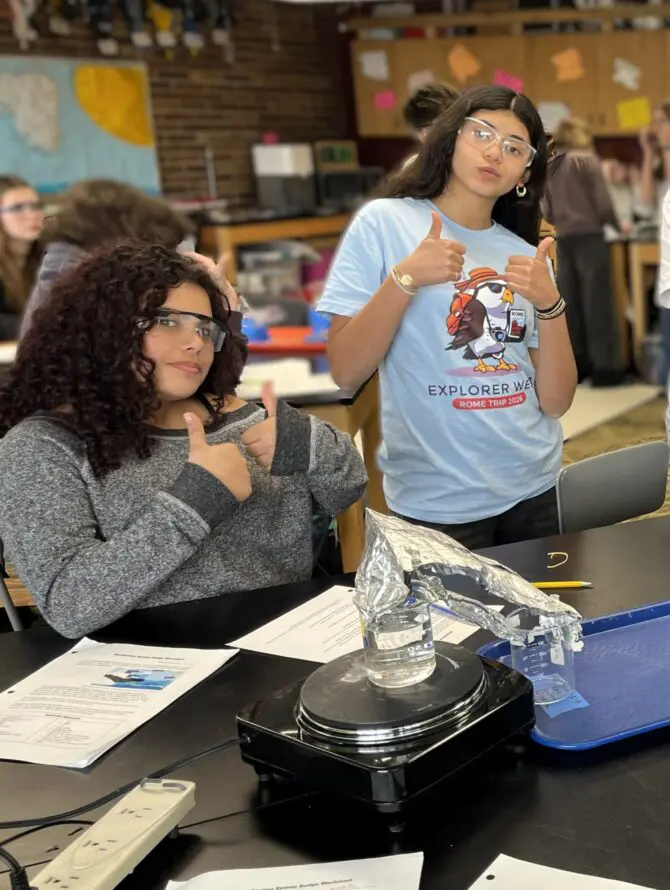
The eighth graders just wrapped up a desalination project. With warmer temperatures, more water vapor is staying in the atmosphere and less snow and ice are accumulating in the mountains. Arid regions close to salt water in the Middle East have been using desalination as a way to produce enough fresh water for drinking and growing crops as demand increases and supply diminishes.
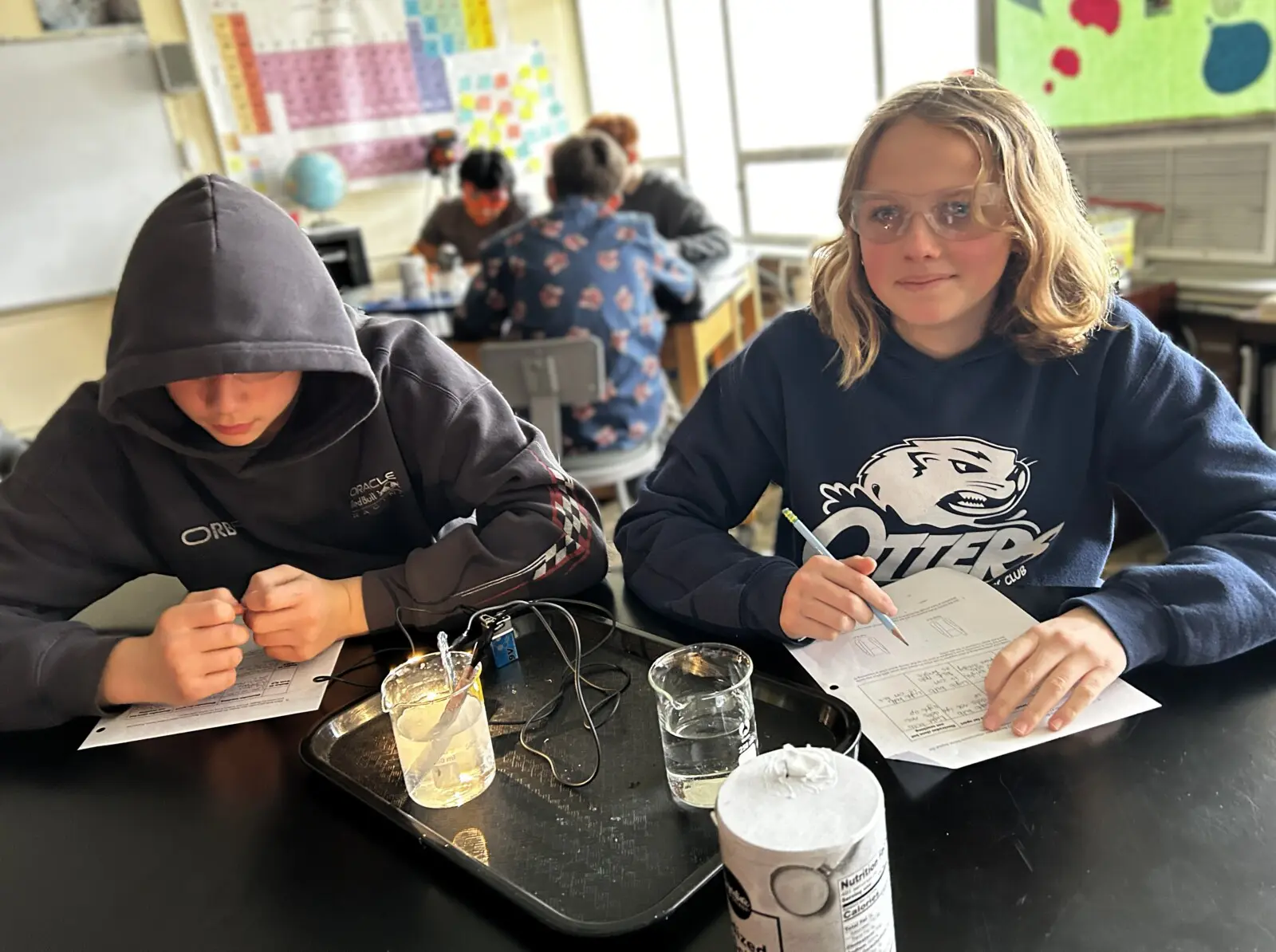
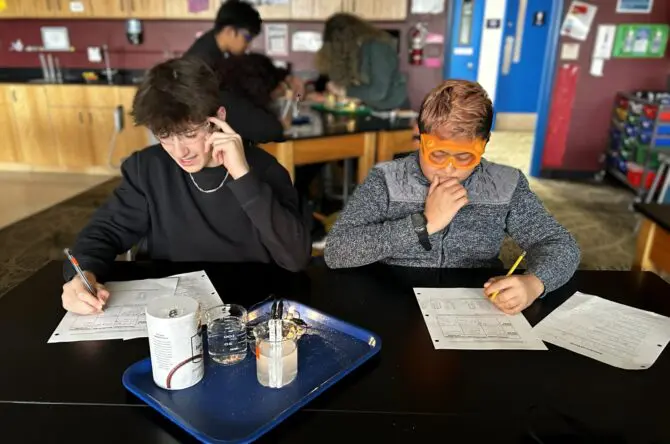
To understand the challenges more deeply, students worked in small teams to design and build thermal desalination systems. They built electrolyte circuits that lit a lightbulb whenever the probes were placed in salt water. If the light didn’t light up, students knew the water had been successfully desalinated!